
AI in Healthcare: How Artificial Intelligence Is Transforming Patient Care and Reshaping Nursing Practice


AI in Healthcare is rapidly shifting from a promising innovation to a foundational component of modern clinical practice. Across hospitals, clinics, and community health settings, artificial intelligence is influencing diagnostics, care planning, documentation, patient monitoring, and education. As these systems become more capable and more deeply integrated into clinical workflows, nurses are being asked to develop new competencies—ones that blend clinical judgment with the ability to interpret, evaluate, and collaborate with AI-enabled tools.
This blog examines how AI in Healthcare is transforming patient care, what this evolution means for nursing practice, and how nurses can build the literacy needed to thrive in an AI-augmented environment.
The Expanding Role of AI in Healthcare
AI systems excel at pattern recognition, data synthesis, and predictive modeling, making them powerful partners in clinical decision-making. But the impact of AI in Healthcare is not limited to technology—it reshapes how nurses allocate attention, interpret information, and engage with patients.
Key drivers behind this transformation include:
- Rising data complexity: EHRs, wearables, imaging, and lab systems generate more data than clinicians can manually process.
- Demand for efficiency: Staffing shortages and documentation burdens require tools that reduce cognitive load.
- Precision care expectations: Patients increasingly expect personalized, data-driven care plans.

Nurses sit at the center of this shift, translating AI insights into safe, ethical, and compassionate care.
1. Diagnostics: AI as a Clinical Interpretation Partner
AI-powered diagnostic tools are now common in radiology, dermatology, cardiology, and pathology. These systems can detect abnormalities—tumors, arrhythmias, lesions—with remarkable accuracy. But the most meaningful impact of AI in Healthcare for nurses is how these tools reshape the flow of clinical information.
How Nurses Use AI-Supported Diagnostics
- Triage prioritization: AI flags high-risk cases earlier, helping nurses allocate attention.
- Image interpretation support: AI-generated summaries clarify findings and highlight urgent concerns.
- Decision support: Symptom-based algorithms suggest possible conditions, enriching clinical context.
Competency Shift: Interpretive Literacy
Nurses must now be able to:
- Understand what an AI system is analyzing
- Identify when AI outputs conflict with clinical presentation
- Explain AI-supported findings to patients in accessible language
- Maintain clinical autonomy while integrating algorithmic insights
AI can detect patterns, but nurses provide interpretation, nuance, and ethical grounding.
2. Predictive Analytics: Anticipating Risk Before It Escalates
Predictive analytics is one of the most transformative applications of AI in Healthcare. These models can forecast:
- Sepsis risk
- Fall likelihood
- Readmission probability
- Vital sign deterioration
- Medication non-adherence
- Pressure injury development
AI-Enhanced Early Warning Systems
Modern early warning systems analyze:
- Vital sign trends
- Lab values
- Nursing notes
- Medication patterns
- Behavioral indicators
When concerning patterns emerge, the system alerts the care team.
Competency Shift: Risk Interpretation
Nurses must be able to:
- Understand what a risk score represents
- Avoid over-reliance on alerts
- Integrate predictive insights into holistic care
- Recognize when human judgment should override algorithmic output
AI predicts risk; nurses contextualize and act.
3. Documentation: Reducing Cognitive Load Through AI Automation
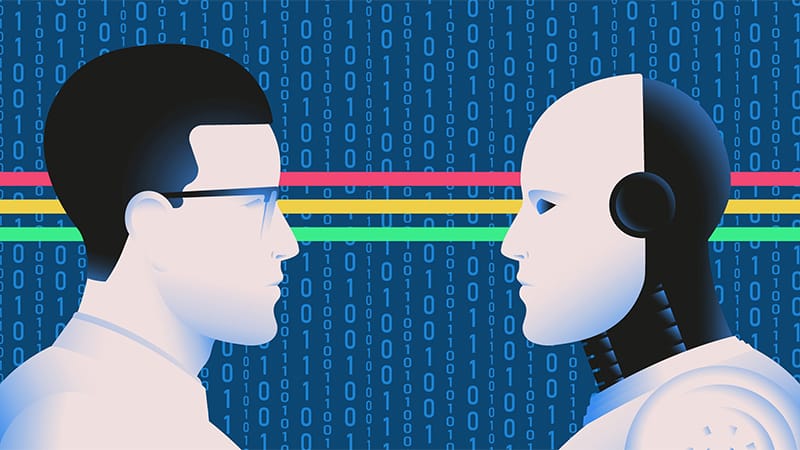
Documentation remains one of the most time-consuming aspects of nursing. AI tools—especially natural language processing (NLP) systems—are changing this landscape.
Examples of AI-Supported Documentation Tools
- Ambient listening systems that convert conversations into structured notes
- Auto-summaries of patient histories
- Smart templates that suggest phrasing based on clinical context
- Voice-activated charting for hands-free documentation
Competency Shift: Verification and Accountability
Nurses must ensure that AI-generated documentation is:
- Accurate
- Complete
- Legally compliant
- Free of bias or misinterpretation
AI can draft, but nurses remain the authors of record.
4. Care Planning: Personalization at Scale
AI can analyze massive datasets to recommend individualized care plans. These recommendations may include:
- Medication adjustments
- Lifestyle interventions
- Monitoring schedules
- Patient education strategies
- Follow-up timelines
How Nurses Use AI in Care Planning
- Reviewing AI-generated suggestions
- Tailoring recommendations to patient preferences and cultural context
- Explaining AI-supported plans in accessible language
- Monitoring outcomes and adjusting plans
Competency Shift: Collaborative Decision-Making
Nurses must balance:
- AI insights
- Clinical guidelines
- Patient values
- Interprofessional input
AI provides data; nurses provide context, compassion, and continuity.
5. Patient Education: AI as a Personalized Teaching Companion
AI-powered education tools are increasingly used in chronic disease management, discharge planning, and preventive care.
Examples
- Diabetes apps that adjust recommendations based on glucose trends
- Virtual mental health coaches
- Post-operative recovery tools that monitor symptoms
Competency Shift: Digital Health Coaching
Nurses must be able to:
- Evaluate AI-generated educational content
- Teach patients how to use AI tools safely
- Identify over-reliance on technology
- Integrate digital coaching with human support
AI reinforces learning; nurses build trust and understanding.
6. Ethical Considerations: Nurses as the Human Compass
The rise of AI in Healthcare introduces new ethical challenges:
- Bias in training data
- Opacity in algorithmic decision-making
- Privacy concerns
- Equity in access
- Over-reliance on automation

Competency Shift: Ethical Vigilance
Nurses must be able to:
- Recognize biased or unsafe outputs
- Advocate for transparency
- Protect patient autonomy
- Ensure equitable use of AI tools
- Maintain human oversight
AI may be powerful, but ethics remains human-led.
7. Education and Training: Building AI Fluency in Nursing
To collaborate effectively with AI, nurses need structured training.
Core Competencies
- Data literacy
- Interpretive reasoning
- Technical fluency
- Ethical awareness
- Communication skills
How Nursing Education Is Evolving
- Nursing programs are adding AI modules
- Hospitals are offering AI literacy workshops
- Professional organizations are developing AI competencies
- Simulation labs now include AI-driven scenarios
AI literacy is becoming a core component of modern nursing practice.
8. The Future: AI as a Force Multiplier, Not a Replacement
The idea that AI will replace nurses misunderstands both AI and nursing. AI cannot:
- Build therapeutic relationships
- Provide emotional support
- Navigate complex family dynamics
- Make ethical judgments
- Understand cultural nuance
- Offer presence or reassurance
What AI can do is amplify nursing practice by reducing cognitive load, enhancing situational awareness, and supporting clinical decision-making.
The Future Nurse
The nurse of the future will be:
- A clinical interpreter of AI insights
- A guardian of ethical practice
- A collaborator with intelligent systems
- A patient advocate in a digital world
- A leader in technology-enabled care
AI will not diminish nursing—it will elevate it.
Conclusion: AI in Healthcare as the New Normal
AI in Healthcare is transforming every dimension of patient care, and nursing is at the center of this evolution. Nurses are not passive recipients of AI tools; they are active collaborators who interpret, validate, and humanize AI-supported care. As AI becomes more integrated into diagnostics, predictive analytics, documentation, care planning, and patient education, nursing practice will continue to evolve—gaining new competencies, new responsibilities, and new opportunities to lead.
The future of patient care is not AI versus nurses. It is AI with nurses, working together to deliver safer, smarter, more personalized care.



 Facebook